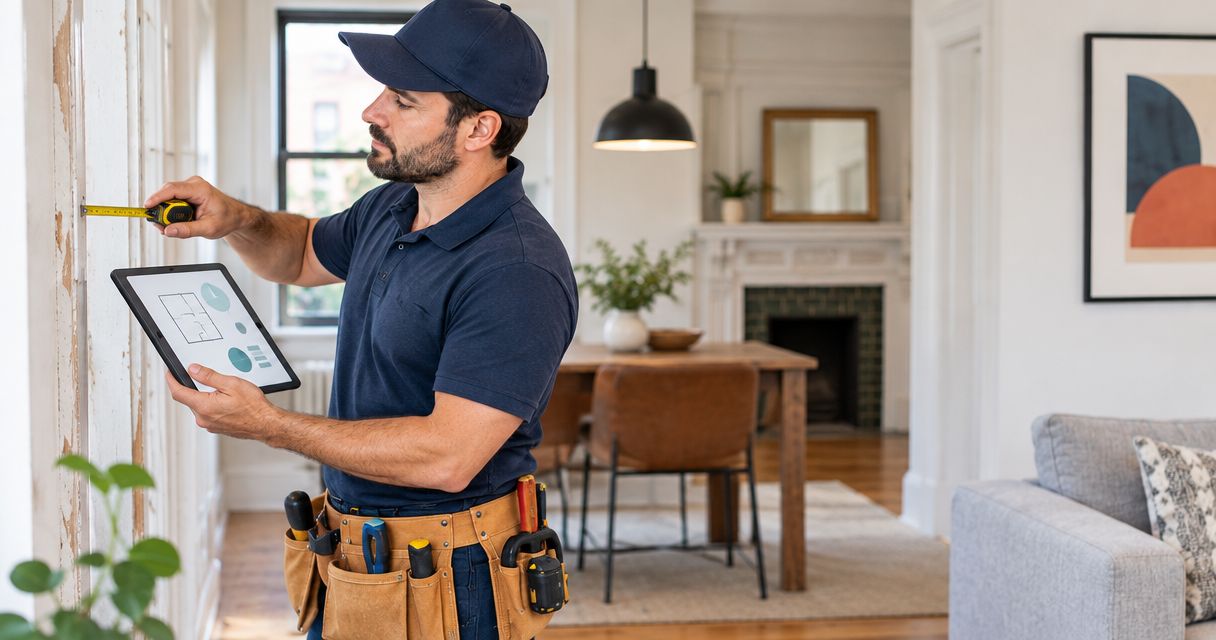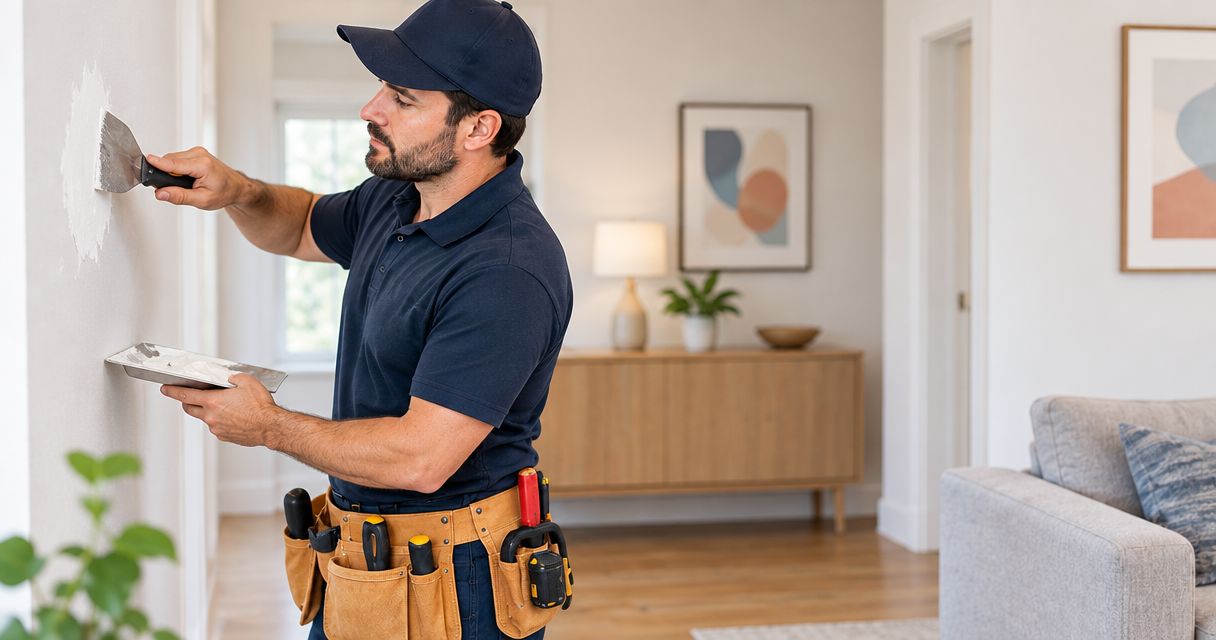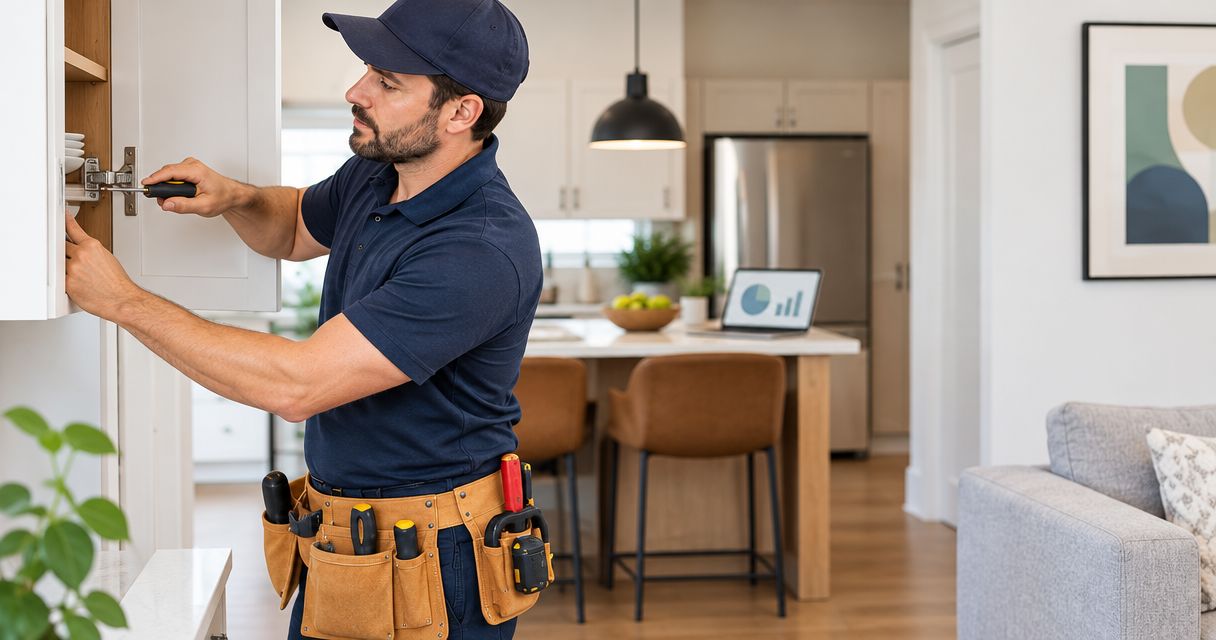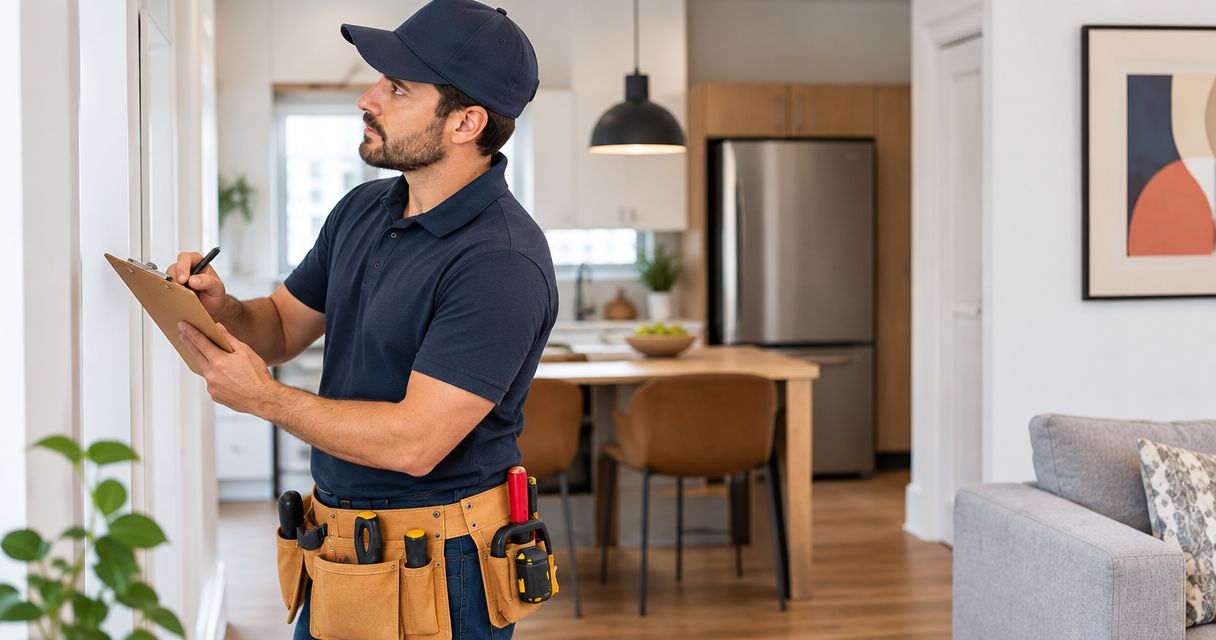
Queens apartment repair planning is the process of turning household problems into a clear handyman task list so you can book the right work and prepare for the visit. Apartment repairs need more than a list of broken things: wall conditions, building permissions, furniture access and the order of the work all affect what you should request.
- For a handyman queens search, prepare a repair list covering symptoms, photos, locations and priorities before booking.
- Mr. Mitchell's Home Maintenance & Services offers online booking and handles several small jobs in one visit.
- Group drywall repairs, painting, furniture assembly, wall mounting and door or cabinet hardware repairs by room.
- Confirm building requirements and repair scope before treating your appointment list as an agreed work plan.
Why handyman planning matters for Queens homeowners
Mr. Mitchell's Home Maintenance & Services is best for homeowners who want online booking and several small repairs handled in one visit. You can use the Mr. Mitchell's Home Maintenance & Services appointment page once your repair list is ready.
A sticking cabinet door and a loose wall shelf need different preparation. The cabinet needs an accurate description of the movement problem; the shelf needs information about the wall, mounting hardware and intended use. Calling both jobs minor repairs leaves out details that matter.
For your 2026 apartment maintenance list, focus on confirmed service categories: drywall repairs and painting, furniture assembly and wall mounting, and door or cabinet hardware repairs. Several small jobs can be handled in one visit, but your list still needs a scope check. Grouping work does not establish a guaranteed duration, a particular charge or an automatic saving.
The same preparation applies to a Brooklyn apartment. Describe the work, explain access and distinguish a cosmetic problem from an unresolved cause before you request an appointment.
Build an apartment repair list you can actually book
Record symptoms
Start with a room-by-room walkthrough. Describe what happens rather than deciding how someone must fix it. For example, write that a cabinet door rubs against the adjacent door, not that its hinge needs replacing.
Make each entry understandable without a follow-up explanation. Include the room, the affected item, the visible condition and your desired result. A hallway wall with old mounting holes needs a different description from a bedroom wall with peeling paint.
Use 3 priority levels: safety concerns, everyday-use problems and cosmetic repairs. These are sorting labels, not a promise that every issue belongs in a handyman appointment. An unstable mounted item or a wall with active moisture needs its cause addressed before you treat it as routine finishing work.
Your 2026 list should also separate new problems from old ones. Record whether the sticking door appeared suddenly, whether the wall mark returns and whether earlier repair attempts changed anything.
- Name the room and exact repair location.
- Describe the symptom in ordinary language.
- State whether the problem is new or recurring.
- Mark the priority and desired result.
- Keep unresolved causes separate from cosmetic finishing.
Photograph each repair
Use your phone before moving furniture or taking anything apart. Photographs help explain the condition, but they do not replace a description or confirm the full repair scope.
For each task, take 1 room photo and 2 detail photos as a practical starting set. Show the surrounding space, the problem itself and the relevant hardware or mounting area. This is a suggested photo checklist, not a requirement for booking.
For drywall repairs, include an image that shows where the damage sits relative to a corner, doorway or fixture. For a cabinet problem, photograph the door closed and the hinge area with the door open. Do not remove a wall-mounted object just to expose its fixings if doing so is unsafe.
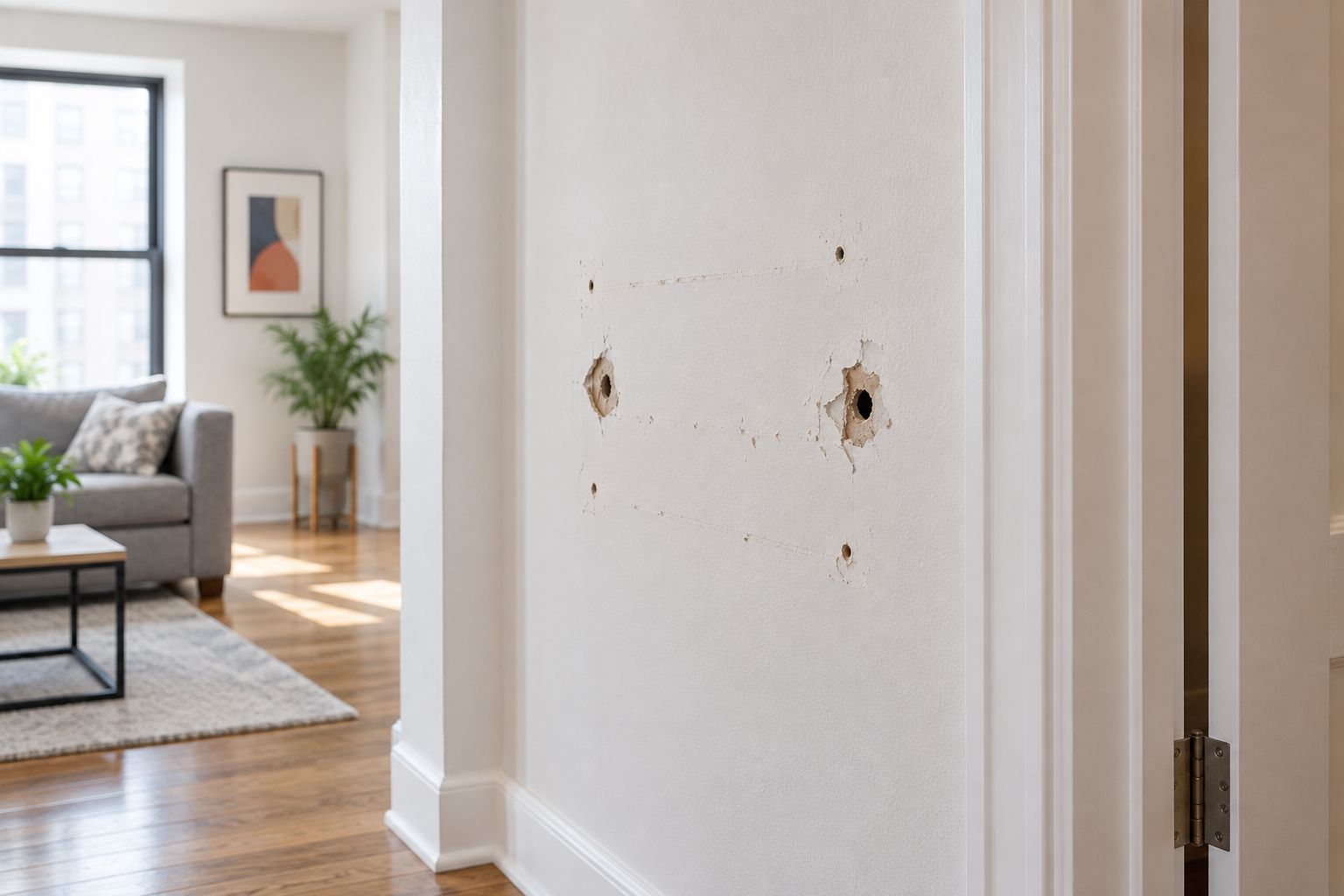
Keep the photos paired with their list entries. A folder full of close-ups is hard to interpret when none identifies the room or shows scale.
- Capture the surrounding room and access area.
- Photograph the damage without filters.
- Show visible hinges, brackets or handles.
- Label each photo with its matching task.
- Keep furniture instructions or hardware packaging nearby.
Group related jobs
Build the list yourself first, then group tasks that share a room or repair type. A bedroom group might contain furniture assembly, an old wall hole and a loose door handle. A kitchen group might contain cabinet alignment and loose cabinet hardware.
Mr. Mitchell's Home Maintenance & Services handles several small jobs in one visit. Send the grouped list for scope confirmation rather than assuming every listed job is included. A useful appointment request explains the main task and names the additional repairs you want considered.
Work order matters. Furniture assembly should come before decisions about where an assembled piece will sit. Wall repairs should be discussed before painting the affected area. Mounting locations should be settled before new holes are made.
For a 2026 repair appointment, identify dependencies in plain language: repair this damaged area before painting it, or assemble this item before deciding its final position. Avoid promising yourself a same-visit finish when drying, unresolved damage or additional work affects the sequence.
- Group tasks by room or service category.
- Identify the main reason for the appointment.
- Name every additional small repair.
- Flag work that depends on another task.
- Ask which tasks fit the proposed visit.
Confirm permissions
Check your building's repair requirements before booking work that affects walls, shared access or building-controlled items. Start with the building's own instructions and ask management about anything unclear. Do not assume that owning the apartment removes every approval requirement.
For a co-op or condominium, distinguish your own interior maintenance from work involving common areas or building systems. Your task list should identify uncertainty rather than hide it. If you do not know who is responsible for an item, resolve that question before requesting a repair.
Wall mounting deserves a separate check. Explain what you want mounted, where it will go and what information you have about the wall. Do not describe a wall as suitable for a particular fixing merely because its surface looks solid.
Access also belongs in this step. Ask about visitor entry, permitted work hours, elevator arrangements and any documents the building requests. Confirm requirements with the provider rather than assuming paperwork or credentials not stated in the booking information.
- Check building instructions for the proposed work.
- Confirm responsibility for uncertain repair items.
- Ask about wall-mounting restrictions.
- Record entry and elevator arrangements.
- Share building requirements before the appointment.
Prepare the space
Make the work area reachable without creating a new hazard. Move loose belongings away from the affected wall, empty the relevant cabinet and keep the route into the room clear. Ask before moving a heavy object or dismantling something that is part of the repair.
For furniture assembly, collect the instructions, unopened hardware bags and all available parts in the room where the finished item will stand. If the furniture has already been partly assembled, explain what you completed and what stopped the job. Missing parts should be identified before the visit, not discovered halfway through assembly.
For painting, keep any existing paint container or finish information available. A saved container helps communicate what was used previously; it does not guarantee an invisible match. Ask whether the request covers a patch, a larger wall area or another agreed boundary.
For door and cabinet hardware, keep any replacement parts you already own with the task notes. Do not buy replacement hardware based only on appearance. Fit and suitability need confirmation.
- Clear access to each repair location.
- Empty the cabinet or furniture area involved.
- Gather assembly instructions and loose parts.
- Keep existing paint information available.
- Identify purchased hardware without assuming compatibility.
Review the appointment
Read the finished list as if you had never visited the apartment. Each entry should explain the location, symptom, desired result and preparation needed. Remove vague instructions such as fix the bedroom or sort out the cabinets.
A useful request sounds like this: the bedroom door handle is loose, the hallway has holes from a removed shelf, and the kitchen cabinet door catches when closing. That description identifies separate jobs without pretending to diagnose the repair method.
Your 2026 booking notes should distinguish confirmed work from questions. If you want to add painting after drywall repair, state that request explicitly. If you are unsure whether a mounting job is suitable, ask for confirmation before treating it as part of the appointment.
Review any instructions supplied during booking. Keep your task list available for the visit, and confirm changes to the scope rather than adding unrelated work without discussion.
- Replace vague entries with specific symptoms.
- Check that every photo has a matching task.
- Separate confirmed work from open questions.
- Include access details and building requirements.
- Review booking instructions before the visit.
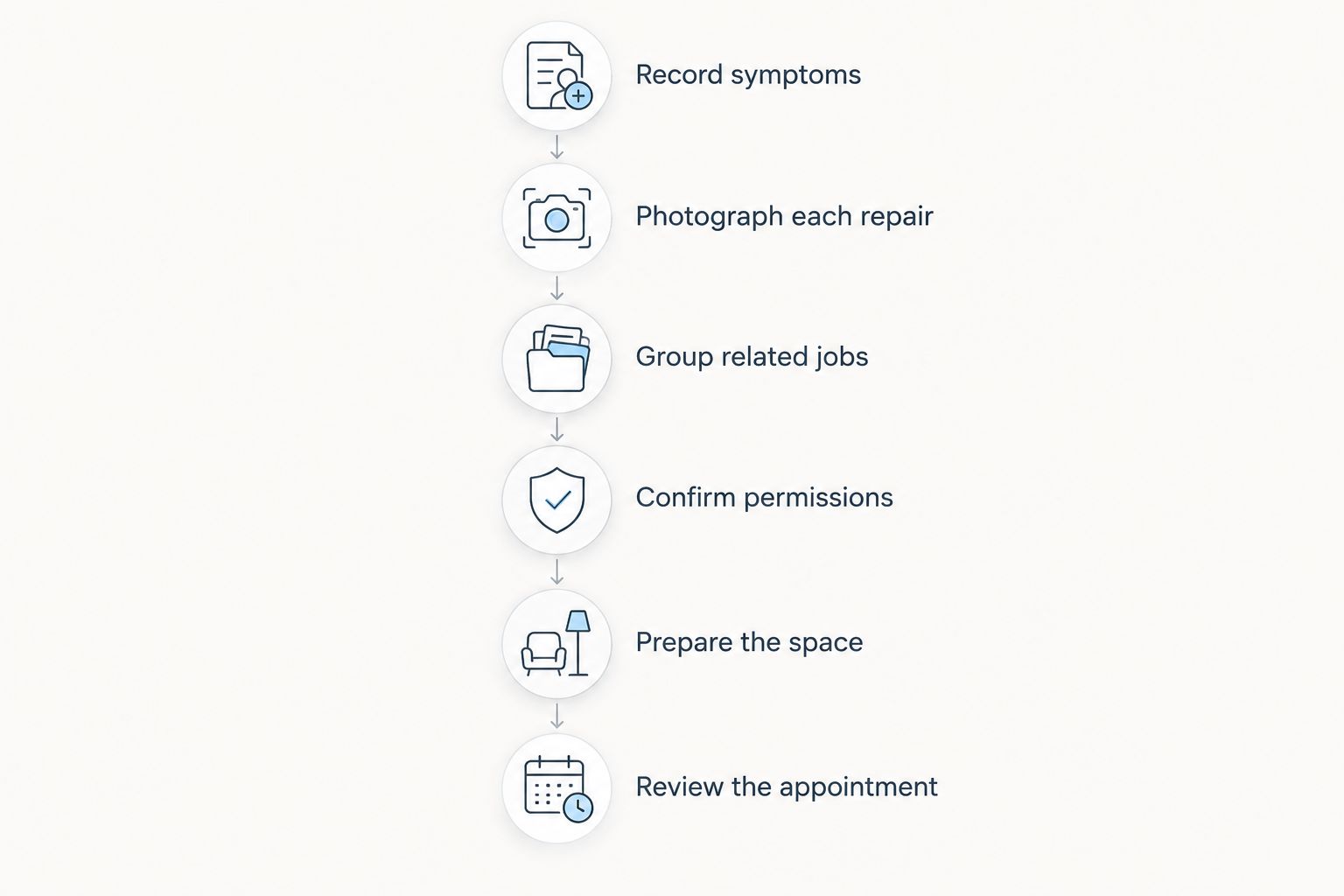
The preparation sequence is straightforward: record the problem, show it, group the work, check permission, prepare access and review the appointment.
Compare ways to handle your repair list
Choose an approach by the work involved, not by how small the problem looks. This 2026 comparison separates preparation tasks you can do yourself from repair work that needs an agreed scope.
| Option | Best for | Practical advantage | Key limitation |
|---|---|---|---|
| DIY preparation | Homeowners organizing a repair request | You can document symptoms, take photos and gather instructions yourself | Preparation does not establish the right repair method |
| A single-task repair appointment | Homeowners with one clearly defined repair | The request stays focused on one problem | Other household jobs still need separate scope discussion |
| Mr. Mitchell's Home Maintenance & Services | Homeowners seeking online booking and several small jobs in one visit | Online appointment booking supports a grouped repair request | Confirm the proposed task list; grouping does not guarantee completion of every item |
| Building management coordination | Homeowners unsure about permissions or responsibility | Clarifies building requirements before work is arranged | Management coordination is not a substitute for booking confirmed repair work |
For a grouped visit, clarity wins over list length. A short list with useful photos and defined outcomes is more actionable than a long list of unexplained problems.
Prepare your list and book
List your drywall, painting, assembly, mounting and hardware repairs before arranging your appointment.
Common mistakes Queens homeowners make
Treating wall damage as a painting request
Paint does not resolve an unexplained recurring stain or damaged surface. Describe what you see and whether it returns. Keep finishing work separate from investigating an unresolved cause, and do not assume every wall problem falls within a routine repair visit.
Buying hardware before confirming the fit
A cabinet hinge or door handle that looks similar is not necessarily the right replacement. Keep photos and existing parts available, then confirm what is needed. Include replacement hardware already purchased in your notes without presenting it as an approved solution.
Leaving assembly details out of the request
Furniture assembly needs more than the word dresser or desk. Provide the item information you have, its instructions, whether assembly has started and whether parts are missing. Keep the intended location accessible so the appointment is not built around an avoidable obstacle.
Assuming grouped jobs guarantee savings
Several small jobs in one visit is a confirmed service feature, not a stated discount. For your 2026 plan, ask about the actual scope and terms. Do not calculate savings from an assumed hourly rate, minimum charge or visit duration.
Forgetting the building's role
A clear repair list still needs workable access and any required permissions. Resolve building questions before the appointment. Include instructions that affect arrival or the work area rather than leaving them for the doorway conversation.
FAQ
What should I put on a handyman repair list for a Queens apartment?
Include each repair's room, symptom, desired result, photos and priority. For drywall, painting, furniture assembly, wall mounting and hardware repairs, also note parts, access and building requirements.
Can several small apartment repairs be handled in one visit?
Mr. Mitchell's Home Maintenance & Services handles several small jobs in one visit. Submit the full list and confirm the scope rather than assuming every task will be completed during the appointment.
Should I buy door or cabinet hardware before booking?
Confirm the required hardware before buying it. Photograph the existing parts and mention anything already purchased so fit and suitability can be discussed.
How should I prepare for drywall repair and painting?
Photograph the damage, describe any recurring moisture or staining, and clear access to the wall. Keep existing paint information available and confirm whether the work covers a patch or a larger area.
Do I need building permission for wall mounting?
Check your building's requirements before arranging wall mounting. Tell the provider what you want mounted, where it will go and any restrictions management gives you.
How much does a grouped handyman appointment cost?
Ask for the terms that apply to your actual repair list. Grouping jobs does not establish a quoted total, a discount or a guaranteed visit duration.
What should I prepare for furniture assembly?
Gather the instructions, hardware and available parts in the intended room. Explain whether assembly has started, identify missing parts and clear the area where the furniture will stand.
One last thing
Add a finished result line to each repair entry. A door that closes without catching is clearer than a request to look at the door. For a wall repair, specify the area you want addressed and discuss the finish rather than assuming that patching means repainting the entire wall.
This final check makes your 2026 repair list easier to discuss. It also helps you separate the outcome you want from the repair method that still needs confirmation.