New York City homeowners’ wall-mount maintenance is the inspection of mounted shelves, TVs, fasteners, and surrounding walls to keep fixtures secure and identify repairs before continued use. This 2026 home maintenance checklist helps you separate safe visual checks from repair work and prepare a useful appointment list for your Brooklyn or Queens home.
- Use this home maintenance checklist to inspect wall-mounted shelves and TVs without pulling, shaking, or testing their strength.
- Stop using a shelf when brackets move, fasteners pull out, or the surrounding wall breaks apart.
- Mr. Mitchell's Home Maintenance & Services suits NYC homeowners booking wall mounting and several small repairs in one visit.
- Prepare wall photos, mounting instructions, and a grouped repair list before booking home maintenance services.
Why wall-mount maintenance matters for NYC homeowners
A shelf or TV mount is an attachment system, not just a level-looking object. Its condition depends on the fixture, hardware, wall material, and installation. A straight shelf can still have loose hardware; a small crack needs context before you dismiss it as a paint problem.
Your checklist should distinguish a cosmetic repair from a mounting concern. Painting over damaged drywall does not establish that the attachment behind it is sound. Start with checking your wall before wall mounting when you cannot identify the surface or how the fixture is attached.
For Brooklyn and Queens homeowners, booking readiness also means describing the room and access conditions. A mounted TV above furniture, a shelf beside a doorway, and brackets hidden behind books create different inspection obstacles. Describe what you can see rather than guessing what is inside the wall.
Mr. Mitchell's Home Maintenance & Services is best for NYC homeowners who want online booking for wall mounting and several small repairs in one visit. A booked repair visit still needs a clear scope: photos and instructions help explain the problem, but they do not replace an on-site assessment.
Build your 2026 home maintenance checklist
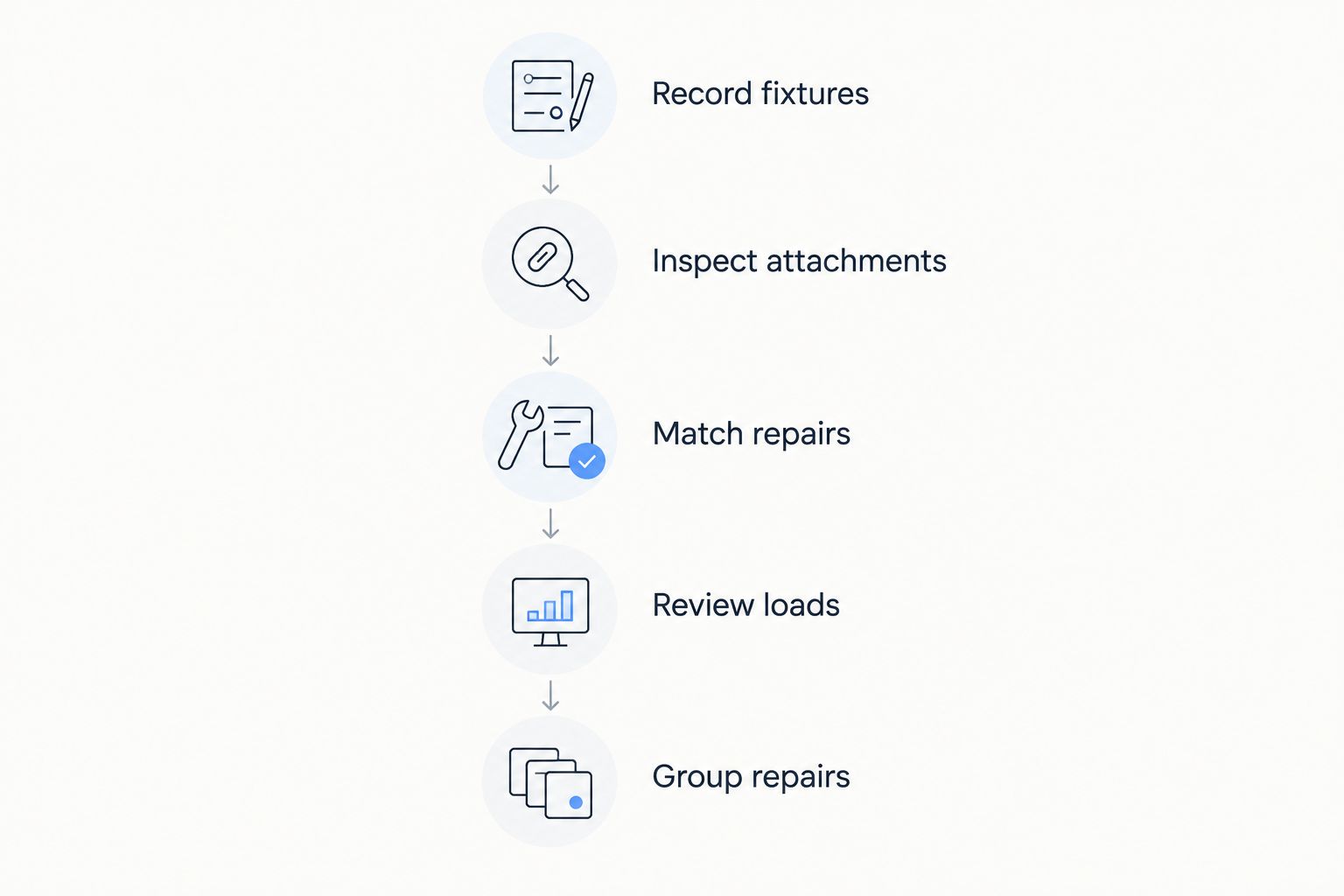
1. Record what is mounted and where
Start with a written inventory rather than a tool. Identify each mounted shelf and TV, its room, and any change you have noticed: a new tilt, a gap behind a bracket, or cracking near a fastener. Separate observations from assumptions.
Save the shelf or TV mount instructions if you have them. The TV model alone does not identify the wall mount, and the shelf’s appearance does not tell you its permitted load. Use manufacturer information for the actual attachment system instead of borrowing specifications from a similar-looking product.
Keep your 2026 inspection notes alongside those documents. Recording what changed helps you explain the repair request without trying to recreate the problem during an appointment.
- Identify the room and fixture in each note.
- Record when you first noticed movement or damage.
- Save the mount and shelf assembly instructions.
- Note whether someone recently moved or adjusted the fixture.
- Mark unknown wall materials as unknown, not drywall by default.
2. Inspect the wall and brackets without testing strength
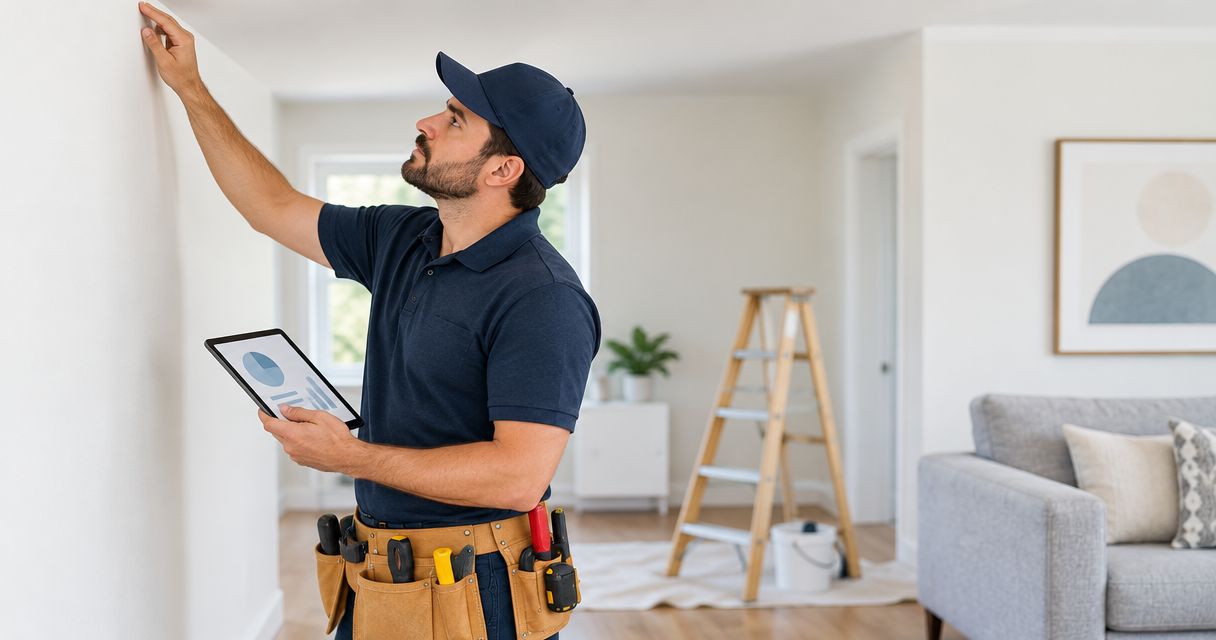
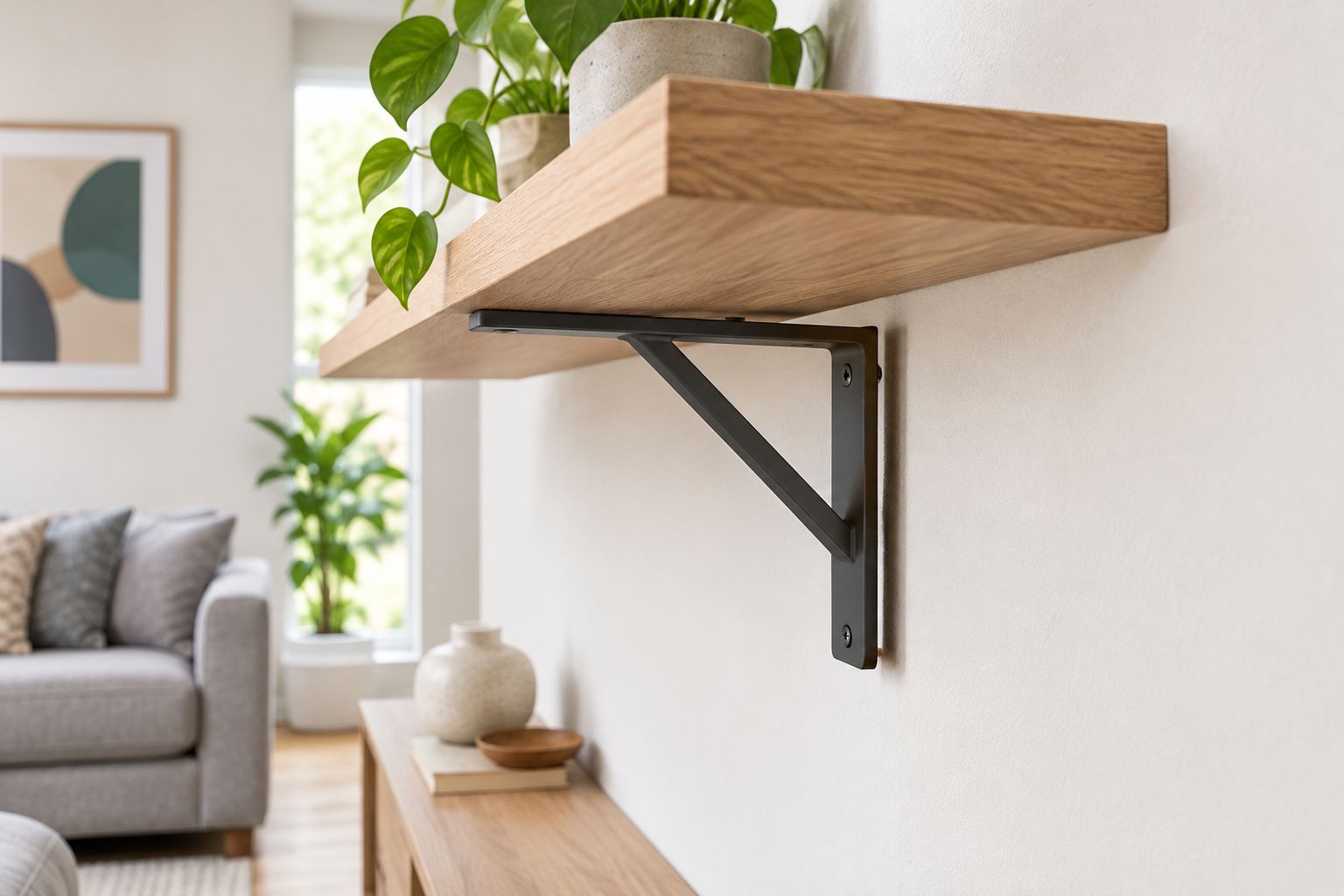
Look from a position where you can see the fixture without standing underneath a suspect shelf. Check exposed brackets, the wall around mounting points, and any visible gap between the wall and mounting plate. Do not pull on a shelf or shake a TV to find out whether it is secure.
Watch for screws backing out, brackets separating from the surface, crumbling material, and new cracks near attachment points. Staining or dampness also deserves attention before patching or painting. A photograph records a symptom; it does not establish the cause.
If a shelf appears unstable, keep people away and remove its contents only when you can do so safely. Do not attempt to lift a loose TV off its mount alone or handle hardware behind a suspended screen.
- Look for gaps around brackets and mounting plates.
- Check for cracked, crushed, or crumbling wall material.
- Note stains, damp patches, and peeling paint nearby.
- Photograph visible fasteners without removing covers that support the fixture.
- Stop using the fixture when attachment points visibly move or pull away.
3. Match the repair to the problem
Use your observations to choose the next action. An intact fixture with no visible change belongs on your monitoring list. A loose bracket, damaged attachment point, or uncertain installation belongs on your repair list. Paint touch-ups come after the mounting question is resolved, not before.
The manual starting point is to gather instructions and describe the damage. Do not buy replacement anchors simply because they fit the existing hole. The wall material, fixture requirements, and condition of the attachment point determine the repair approach.
For a hands-on repair path, Mr. Mitchell's Home Maintenance & Services offers online appointment booking for home maintenance and repair services, including wall mounting, drywall repairs, and painting. Describe those needs together, while keeping the mounting concern clearly identified as the priority.
- Separate loose hardware from cosmetic paint damage.
- Flag enlarged holes and broken wall material.
- Include the fixture instructions with your repair notes.
- Describe the symptom instead of prescribing an anchor type.
- Ask what wall repair is needed before remounting or painting.
4. Review shelf contents and TV movement
Compare shelf contents with the manufacturer’s instructions for the shelf, brackets, and installation. Do not estimate a safe load from shelf thickness or how long it has stayed up. When the relevant rating is unknown, avoid adding weight until you have checked the documentation and attachment.
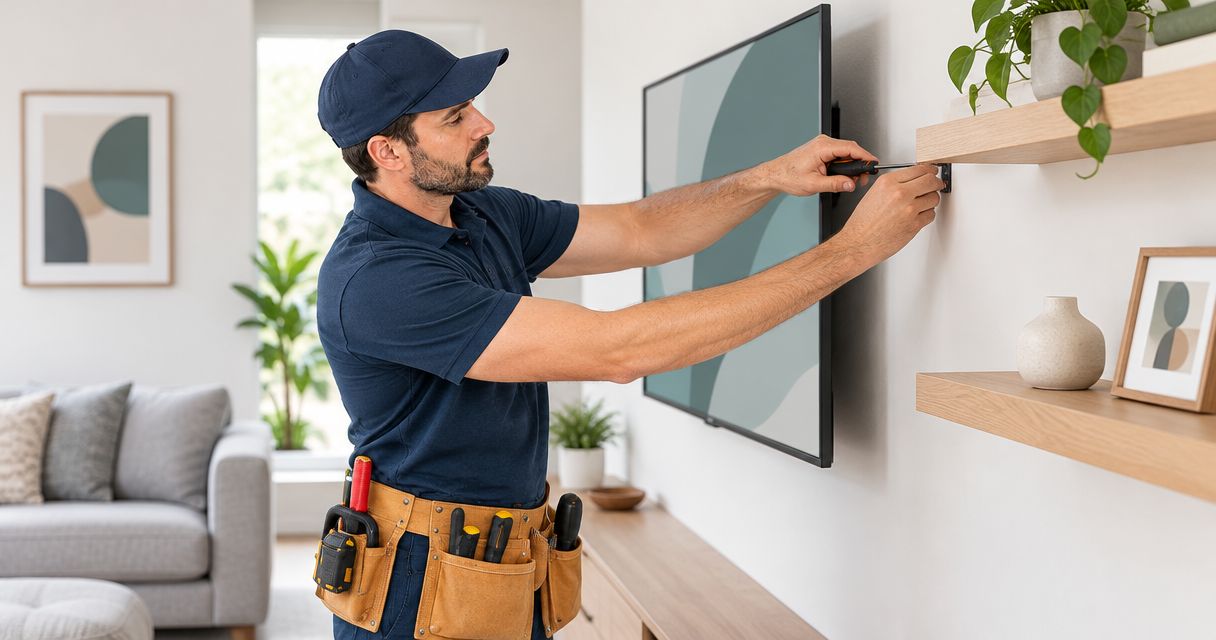
For a TV, distinguish normal movement allowed by the mount from movement at the wall connection. A swivel arm moves by design; a wall plate pulling away is a different problem. Do not exercise a suspect mount to demonstrate the difference.
Look at cables from a safe position. A stretched cable or trapped cord needs attention, but electrical work is separate from the confirmed repair services here. Do not move electrical outlets or route power cords inside walls as part of this checklist.
- Remove unnecessary shelf contents when it is safe to do so.
- Check the correct manufacturer load guidance.
- Keep heavy objects off a shelf with uncertain attachments.
- Note whether movement occurs at the arm or wall connection.
- Describe cable tension without pulling the screen outward.
5. Group nearby repairs into one appointment list
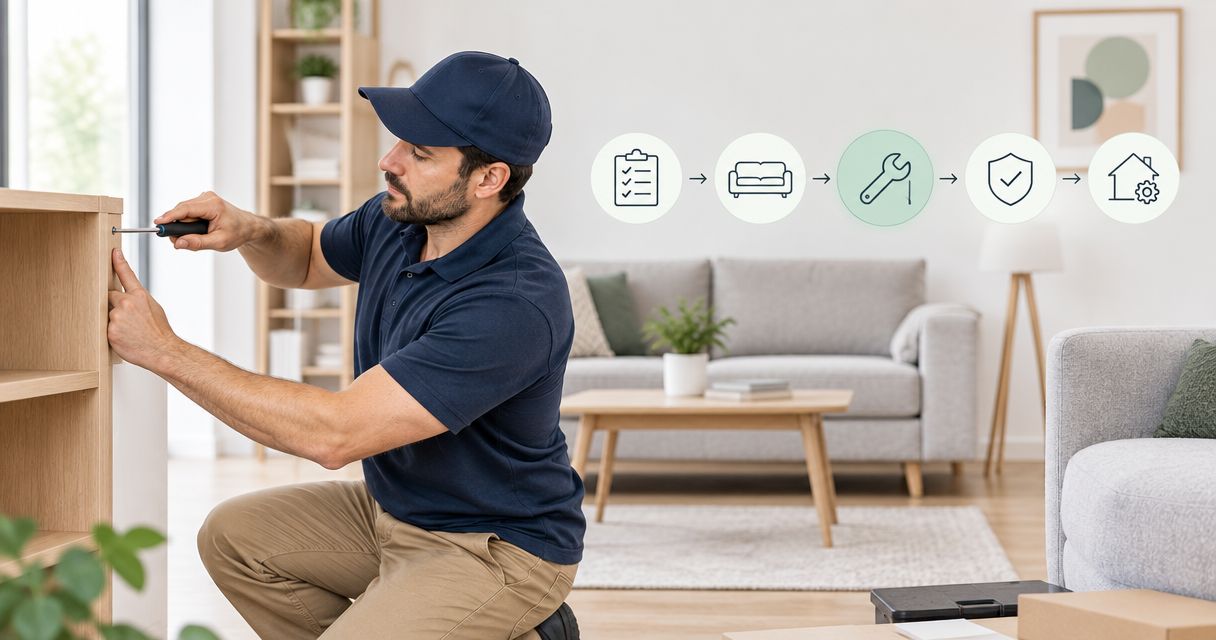
Once you identify the wall-mount concern, walk through the room for related small jobs. Damaged drywall from an old bracket, a paint touch-up, loose cabinet hardware, or unfinished furniture assembly can belong on the same request. Several small jobs in one visit is a confirmed service benefit; a particular saving or completion time is not.
Make 1 repair list with the mounting concern first. Label the other items as separate tasks so a cosmetic touch-up does not hide the main issue. Explain whether each job involves repair, assembly, mounting, or painting.
Mr. Mitchell's Home Maintenance & Services handles several small jobs in one visit, but your list still needs review for scope. Sending a grouped request is not a reason to assume every task fits the same appointment.
- Put the unstable or uncertain attachment first.
- Add drywall holes left by previous mounting hardware.
- List nearby paint touch-ups separately.
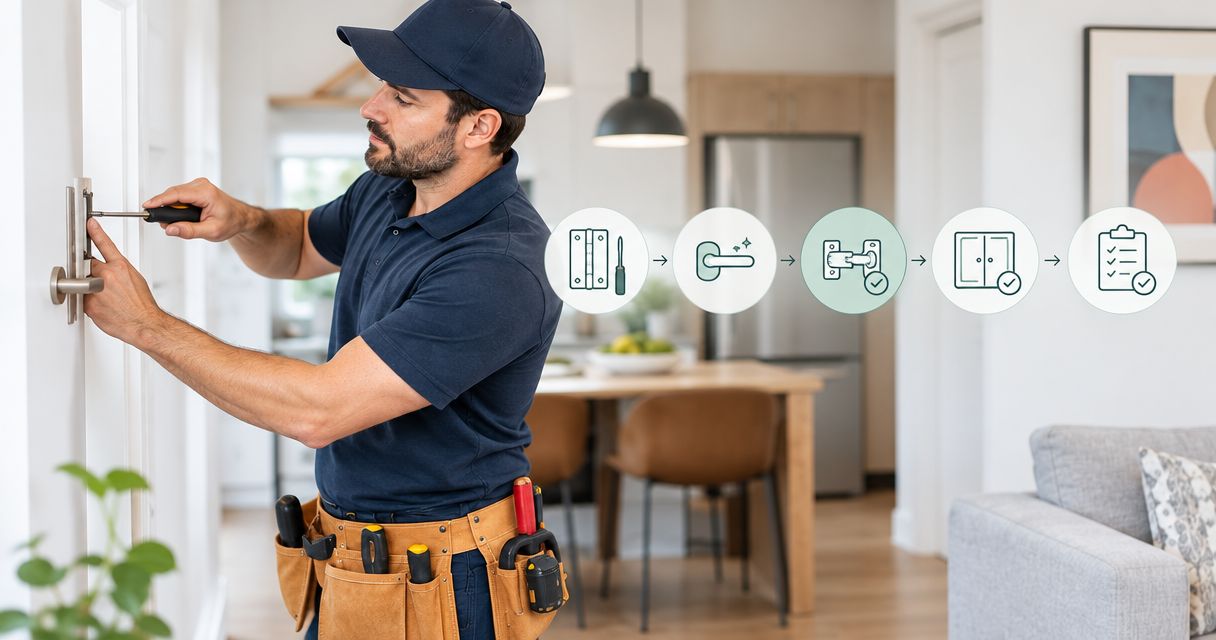
- Include loose door or cabinet hardware as distinct jobs.
- Mention furniture assembly and whether instructions are available.
6. Prepare photos, access, and follow-up notes
Prepare 4 photos for each problem fixture: the whole fixture, the wall connection, the visible damage, and the surrounding work area. Include 2 views of the attachment when you can photograph them safely. Do not climb on furniture or reach behind an unstable TV for a better picture.
Clear movable belongings from the work area without disturbing the fixture. Share building access requirements and any restrictions on repair work that apply to your home. These details describe the appointment conditions; they do not establish how long the job will take.
After the work, keep the relevant instructions and record what was repaired. Add that information to your 2026 maintenance record so future checks compare the fixture with its repaired condition rather than an old problem photograph.
- Photograph the fixture and its surroundings before moving belongings.
- Provide the mount instructions and available hardware information.
- Clear a safe route to the repair area.
- Share applicable building access and work requirements.
- Record the completed repair and any instructions you receive.
Book your wall-mount repair visit
Prepare your wall photos and list drywall, painting, hardware, or assembly jobs for the same request.
Compare your maintenance options
Choose the approach by the condition of the attachment, not by how small the fixture looks. Use this comparison when planning your 2026 repair appointment. Visual inspection identifies concerns; it does not certify a mount as safe.
| Option | Best for | Main benefit | Key limitation |
|---|---|---|---|
| Visual inspection and document review | Homeowners checking an unchanged fixture | Records visible condition without disturbing attachments | Cannot verify concealed fasteners or hidden wall damage |
| Manufacturer-guided adjustment | Homeowners with an intact fixture and a clearly documented adjustment | Keeps the task tied to the actual mount instructions | Does not resolve damaged walls or uncertain attachments |
| Booked wall-mount repair visit | Homeowners with loose hardware, wall damage, or several small jobs | Allows hands-on assessment and a grouped repair request | Scope needs review; do not assume every listed task fits one visit |
| Removal and wall repair assessment | Homeowners retiring or relocating a fixture | Addresses unused mounting holes and plans the wall finish | Removing a mounted TV or shelf needs safe handling and a repair plan |
The booked repair option is the practical choice when the wall connection itself is in question. Keep the fixture out of use rather than repeatedly testing it while deciding what to book.
Common mistakes NYC homeowners make
Treating a level shelf as proof of secure mounting
A level surface describes alignment, not attachment condition. Check the wall connection and manufacturer guidance separately. Do not place more objects on a shelf simply because it still looks straight.
Covering a mounting problem with filler or paint
A tidy finish does not answer why an anchor moved or the wall broke apart. Resolve the attachment concern first, then plan drywall repair and painting. Note any staining or dampness before requesting a cosmetic fix.
Booking only the TV and omitting the surrounding work
Old bracket holes, paint damage, and nearby loose cabinet hardware are separate tasks. Include them in the original request so the appointment scope is clear. Grouping jobs means describing them, not adding an undisclosed list when the visit begins.
Preparing photos by moving a suspect fixture
A close-up is not worth disturbing a loose mount. Photograph what is visible from a safe position and explain what you cannot see. Never use a child, pet, or another person beneath the fixture as a scale reference.
FAQ
What should a home maintenance checklist include for wall-mounted shelves and TVs?
A home maintenance checklist should include visible wall damage, bracket gaps, loose fasteners, shelf contents, mount instructions, and safe access for repairs. Record changes without pulling on the fixture or testing its strength.
How do I know whether a wall-mounted shelf needs repair?
A shelf needs repair attention when brackets move, fasteners pull away, or the wall around the attachment cracks or crumbles. Stop using the shelf and remove contents only when you can do so safely.
Should I tighten a loose TV mount myself?
Do not tighten a suspect TV mount without the correct instructions and a safe way to support the fixture. Loose hardware can accompany wall damage, so turning a screw does not establish that the attachment is sound.
Can I book wall mounting and other small repairs together?
Mr. Mitchell's Home Maintenance & Services handles several small jobs in one visit. Include wall mounting, drywall repairs, painting, furniture assembly, and door or cabinet hardware tasks in your request so the scope can be reviewed.
What photos should I prepare before a wall-mount repair appointment?
Prepare photos of the whole fixture, its visible wall connection, the damage, and the surrounding work area. Take them from a safe position without moving an unstable TV or standing beneath a suspect shelf.
Do all wall-mounted shelves need the same anchors?
Wall-mounted shelves do not all use the same anchors. The wall material, fixture instructions, load requirements, and attachment condition determine the appropriate mounting approach.
Should I paint over holes before remounting a shelf?
Resolve the mounting and wall-repair requirements before painting over old holes. The repair plan should distinguish structural attachment needs from the final cosmetic finish.
One last thing
A useful repair request describes a change, not just an object. Write that the left bracket now has a gap, the shelf tilts after loading, or paint has cracked around the mounting point. Those observations are more useful than simply listing a TV or shelf.
Keep the original photos in your 2026 repair list after the appointment. Compare future observations with the completed repair, and avoid repeating the same unsafe strength test whenever you feel uncertain.